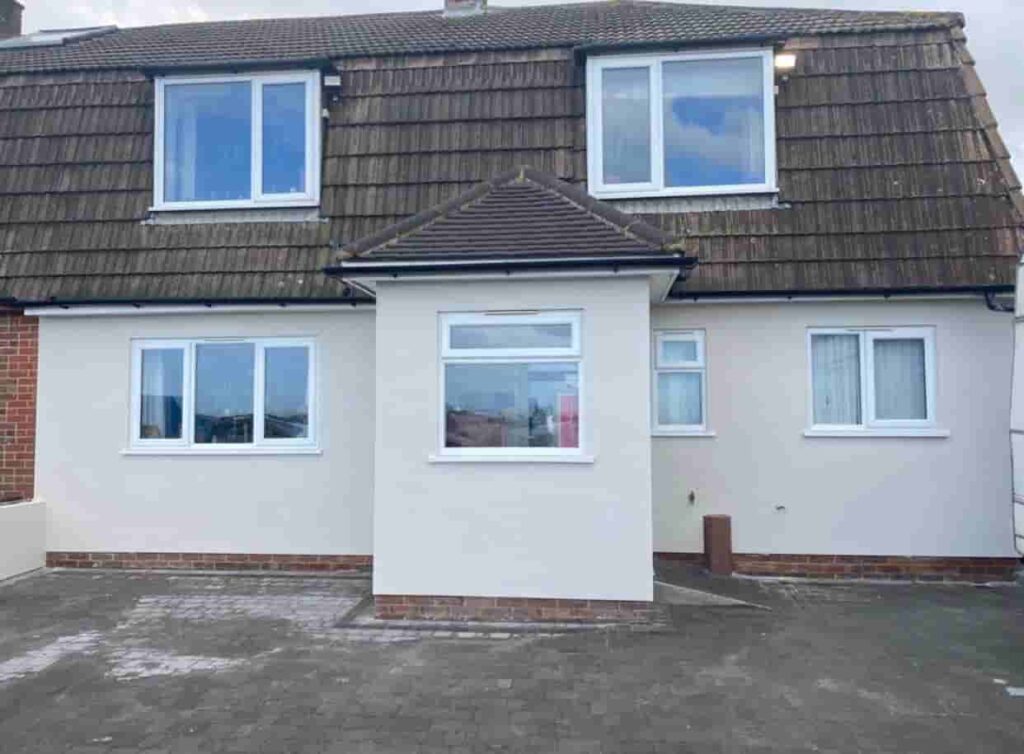
Roof tiles are designed to sit securely in place, forming a protective outer layer that shields the roof from the elements. When tiles begin to move, slip, or appear uneven, it is rarely just a surface-level issue. In most cases, tile movement points to a failure in the fixings or supporting components beneath the tiles.
For homeowners in Sidcup, Greater London, understanding why tile movement occurs helps highlight the importance of early inspection and professional roof repairs.
How Roof Tiles Are Meant to Stay Secure
Roof tiles rely on a combination of fixings, battens, and underlay to remain stable. Each tile is positioned to overlap the one below it, creating a layered system that directs water safely away from the roof structure.
Fixings such as nails or clips anchor tiles to the battens beneath. When these fixings are intact and the supporting materials are sound, tiles remain stable even during adverse weather.
What Causes Fixing Failure Over Time
Fixing failure does not usually happen suddenly. It develops gradually as materials age and are exposed to repeated weather cycles.
Common causes include corrosion of fixings, deterioration of timber battens, and long-term exposure to moisture. As these components weaken, they lose their ability to hold tiles firmly in place, allowing movement to occur.
Why Tile Movement Is an Early Warning Sign
When tiles start to move, it is often one of the first visible indicators that something beneath the surface is failing. While the tile itself may still be in good condition, the fixings securing it may no longer be effective.
Ignoring this movement allows the problem to progress. As fixings continue to fail, more tiles can become loose, increasing the risk of water ingress and wider roof damage.
The Impact of Wind and Weather
Strong winds place significant stress on roof tiles, particularly if fixings have already weakened. Once a tile shifts, wind can lift it further, affecting neighbouring tiles and accelerating the spread of movement across a roof section.
In Sidcup, where changing weather conditions are common, even minor fixing failure can quickly lead to noticeable tile displacement if left unaddressed.
Hidden Risks Beneath the Tiles
Tile movement often masks deeper issues within the roof structure. Water entering through loosened tiles can reach the underlay and battens, causing further deterioration.
This hidden damage can compromise the roof’s ability to perform as a complete system, allowing problems to spread quietly beneath the surface before becoming visible inside the property.
Why Surface-Level Repairs Are Not Enough
Simply repositioning a loose tile without addressing fixing failure beneath is rarely a long-term solution. If the underlying fixings or battens are compromised, the tile is likely to move again.
Professional roof repairs focus on identifying and resolving the root cause of tile movement, ensuring that both the tile and its supporting structure are properly secured.
Professional Assessment in Sidcup
Accurately diagnosing fixing failure requires experience and a thorough inspection of the roof system. Sidcup Roofing Repairs take a careful, methodical approach to assessing tile movement, ensuring any underlying issues are identified and addressed.
This professional assessment helps restore roof stability and prevents minor movement from developing into more extensive damage.
Conclusion
Tile movement is rarely just a cosmetic issue. In most cases, it indicates fixing failure beneath the surface, often caused by ageing materials or prolonged weather exposure. Left untreated, this can lead to wider roof instability and water ingress.
If you have noticed moving or slipped tiles on your property in Sidcup, Greater London, Sidcup Roofing Repairs are available to provide expert advice and reliable roof repairs. Get in touch to ensure underlying fixing issues are resolved and your roof remains secure and watertight.
Call us on: 0208 059 8598
Click here to find out more about Sidcup Roofing Repairs
Click here to complete our contact form and see how we can help with your roofing repairs.