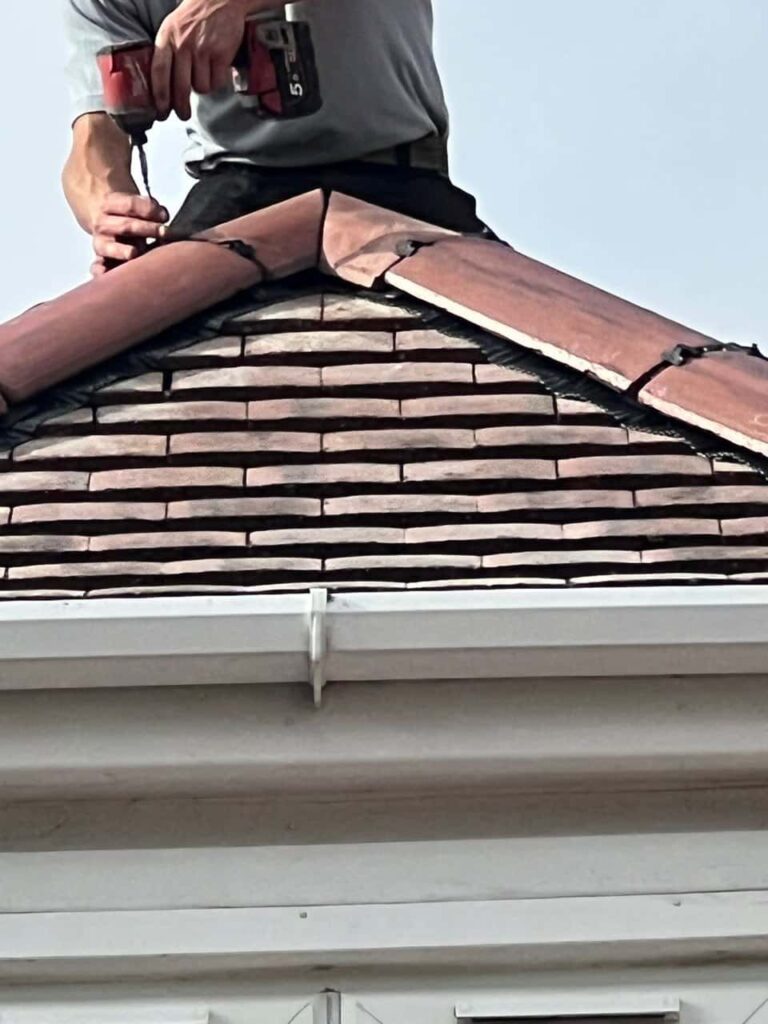
A roof protects a property from rain, wind and changing weather conditions, so even relatively minor defects can become more serious if they are left unattended. Problems such as damaged tiles, leaks, blocked gutters and deteriorating roof coverings can gradually affect other parts of the roofing system.
For homeowners and property managers in Sidcup, Greater London, recognising common roof problems and arranging suitable repairs at an early stage can help maintain the condition and performance of the roof.
Roof Leaks and Water Ingress
Roof leaks are among the most common problems requiring attention. Water may enter through damaged tiles, failed flashing, deteriorated roof coverings or gaps around roof features.
A leak may first appear indoors as a damp patch, water staining or peeling paint. However, the visible area inside the property is not necessarily directly below the point where water is entering.
A professional roof inspection can help identify the source of the problem so that the appropriate repair can be carried out.
Damaged or Missing Roof Tiles
Tiles can become cracked, slipped or displaced through age, weather exposure or impact. Missing tiles leave areas of the roof more vulnerable to rainwater and can expose the underlying structure.
Replacing damaged or missing tiles can restore the affected section of the roof and help prevent water from reaching the roof’s underlying layers.
Regular visual checks can be particularly useful after periods of strong wind in Sidcup, Greater London.
Damaged Roof Flashing
Flashing is used around areas such as chimneys, roof junctions and other changes in the roof structure to help prevent water from entering vulnerable points.
When flashing becomes cracked, loose or deteriorated, rainwater can find its way into the roof. Repairs may involve securing, replacing or renewing affected sections depending on their condition.
Because flashing defects can be difficult to identify from ground level, professional assessment can be useful when a leak occurs around a roof junction.
Blocked or Damaged Gutters
Gutters play an important role in directing rainwater away from the roof and walls. Leaves, moss and other debris can restrict the flow of water, causing gutters to overflow.
Persistent overflowing water can contribute to dampness around walls and roof edges. Cleaning and repairing damaged guttering can help restore effective drainage and reduce unnecessary moisture exposure.
Sagging or Uneven Roof Areas
A noticeable dip or sag in a roof can indicate a problem that requires further investigation. Possible causes can include deterioration of underlying materials, prolonged moisture exposure or structural movement.
A sagging roof should not simply be covered over without identifying the underlying cause. Professional inspection can establish what is contributing to the problem and whether repair work is required.
Moss and Organic Growth
Moss can develop on roof surfaces, particularly where moisture remains for extended periods. While a small amount of moss does not automatically mean that a roof is failing, excessive growth can obscure the condition of tiles and contribute to blocked drainage.
Careful removal and inspection can help reveal damaged areas that might otherwise go unnoticed.
Damaged Roof Valleys
Roof valleys are designed to channel rainwater towards the drainage system. Because they collect water from adjoining roof sections, defects in these areas can result in significant water ingress.
Cracks, deterioration or blockages within a valley should be investigated promptly. Suitable repair or replacement can help restore the drainage route and protect the surrounding roof structure.
Why Early Roof Repairs Matter
Small roofing defects can become more difficult to manage when water is repeatedly allowed to enter the roof structure. A damaged tile, failed flashing detail or blocked drainage point may initially seem minor, but continued exposure can contribute to deterioration elsewhere.
Arranging an inspection when a problem is first noticed allows the condition of the roof to be assessed before deciding what work is necessary. This can also help distinguish between a localised repair and a wider roofing issue.
When Should You Arrange a Roof Inspection?
Consider arranging a professional inspection if you notice water staining, missing or damaged tiles, recurring leaks, overflowing gutters, visible roof deterioration or changes to the shape of the roof.
It is also sensible to check the roof after severe weather, particularly if you suspect tiles or other roofing components may have been displaced.
For properties in Sidcup, Greater London, Sidcup Roofing Repairs can inspect roofing problems and identify suitable repair solutions based on the condition of the roof.
Choosing the Right Roofing Repair
The correct repair depends on the cause and extent of the problem. Simply treating the most visible symptom may not resolve an underlying defect.
A thorough assessment allows the affected areas to be identified and the appropriate repair method to be considered. This is particularly important where leaks are recurring or where several roofing components show signs of deterioration.
Conclusion
Common roof problems such as leaks, damaged tiles, defective flashing, blocked gutters, moss growth and deteriorating roof valleys should not be ignored. Addressing defects when they are first identified can help maintain the roof and reduce the risk of further damage.
If you have noticed a roofing problem at your property in Sidcup, Greater London, contact Sidcup Roofing Repairs to arrange an inspection and discuss the appropriate repair for your roof.
Call us on: 0208 059 8598
Click here to find out more about Sidcup Roofing Repairs
Click here to complete our contact form and see how we can help with your roofing repairs.